Physical Address
304 North Cardinal St.
Dorchester Center, MA 02124
Physical Address
304 North Cardinal St.
Dorchester Center, MA 02124

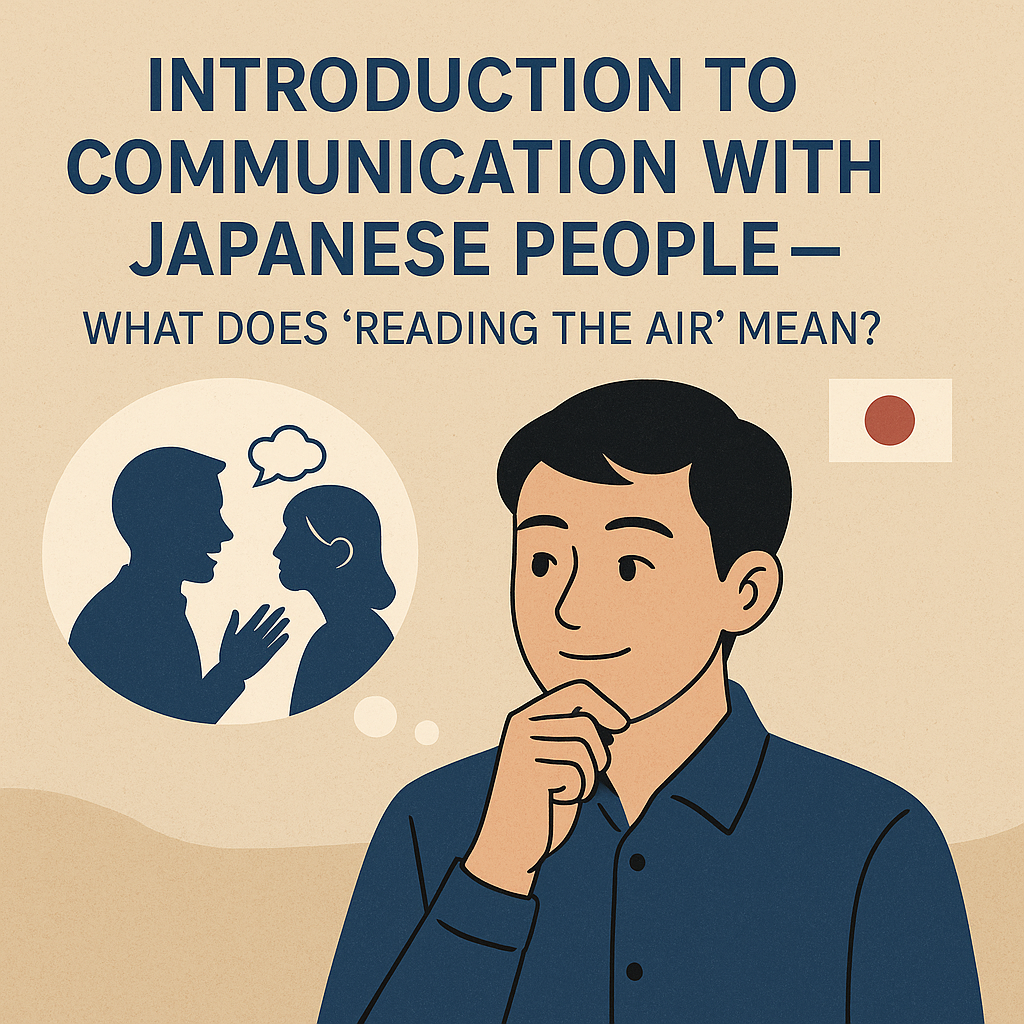
One of the most confusing concepts for international students in Japan is “reading the air” (kuuki wo yomu). Whether in group discussions at university, conversations with coworkers at part-time jobs, or building friendships, understanding this “invisible communication rule” is the key to success.
However, many guides for international students include outdated information or overly complicated explanations. This article explains modern Japanese communication culture based on objective data and provides practical ways to make good judgments.
“Reading the air” means sensing unspoken situations or emotions and choosing appropriate behavior. While often regarded as a uniquely Japanese concept, it is actually a type of social skill found in many cultures, though to varying degrees.
What matters is understanding how this concept functions in modern Japan. Young Japanese people in the internet era tend to communicate more directly, and in conversations via social media or messaging apps, clear expressions of intention are often preferred.
At the same time, in formal situations or relationships with elders, indirect expressions are still highly valued. Learning how to switch between these modes is one of the most practical skills for international students.
To understand Japanese communication, it is essential to distinguish between honne (true feelings) and tatemae (public façade). This distinction became prominent after World War II and underpins the complexity of modern Japanese communication.
It is a mistake, however, to assume that “Japanese people never say what they really mean.” In reality, people switch between honne and tatemae depending on context and relationships.
With close friends, conversations are often based on honne. In workplaces or with people they have just met, tatemae is more commonly used. The key is to recognize this distinction and learn to identify which mode the other person is using.
One of the most confusing situations for international students is determining whether someone’s words are just polite phrases (shakoujirei) or genuine. Expressions like “Let’s all have dinner sometime” or “Please drop by the lab when you have time” are often used as polite expressions rather than concrete invitations.
A common feature of polite phrases is lack of specificity. Suggestions that are vague about timing, location, or participants are usually polite expressions. Proposals that suddenly appear at the end of a conversation are also more likely to be polite phrases.
Facial expressions and tone of voice also matter. When someone is serious, they expect a specific response and listen carefully to your reply. In contrast, with polite expressions, they often do not respond in detail to your answer.
Genuine invitations usually include concrete details. For example: “How about next Friday?” or “Shall we try that restaurant in Shinjuku?” If specific information is included, the person likely wants to make it happen.
If the person brings up the topic again later, it is another strong sign that they are serious. In contrast, polite phrases rarely resurface once the conversation has ended.
Traditional guidebooks often explain that “Japanese people never say no directly.” But the reality in modern Japan is more complex. Among younger generations or in close relationships, direct expressions like “I can’t” or “That’s impossible” are commonly used.
However, in relationships with elders or in the workplace, indirect refusals are still preferred. Phrases like “That might be difficult” or “It seems tough” are understood as clear refusals.
In modern communication, clarity of reason is important. Saying “I already have plans that day” or “It overlaps with my class” provides an objective reason that makes it easier for the other person to accept.
Expressing gratitude is also important. Starting with “Thank you for inviting me” shows respect for the proposal itself.
For students from Vietnam or Myanmar, an interesting point is that both countries share an indirect communication style similar to Japan. In Vietnam, harmony is valued, and people tend to avoid direct expressions. In Myanmar as well, there is a culture of conveying key points indirectly to avoid offending others.
This similarity means students from Southeast Asia may adapt more quickly to Japanese communication culture. However, since the specific expressions and social expectations differ, learning Japan’s unique patterns remains essential.
By leveraging indirect communication skills from their home country while learning Japan’s particular patterns, international students can adapt more efficiently. For example, respecting the other person’s position and valuing group harmony are principles shared across many Southeast Asian cultures.
A step-by-step approach is effective for adapting to Japanese communication culture. At first, focus on observation. Carefully notice how Japanese people interact, especially when direct or indirect expressions are preferred.
The next step is practice in a safe environment. Try out the patterns you have learned in conversations with supportive friends or teachers to gain real experience.
Misunderstandings and mistakes in communication are inevitable, but they should be used as opportunities to learn. When a misunderstanding occurs, checking directly helps repair the relationship and deepen understanding.
Using expressions like “Sorry, may I check if I understood correctly?” makes it easier for the other person to clarify and fosters constructive dialogue.
Japanese communication culture may seem complex, but by understanding the basic patterns and practicing gradually, it is a skill that can definitely be mastered. By avoiding perfectionism and maintaining a steady approach, you can build richer and more rewarding relationships.