Physical Address
304 North Cardinal St.
Dorchester Center, MA 02124
Physical Address
304 North Cardinal St.
Dorchester Center, MA 02124

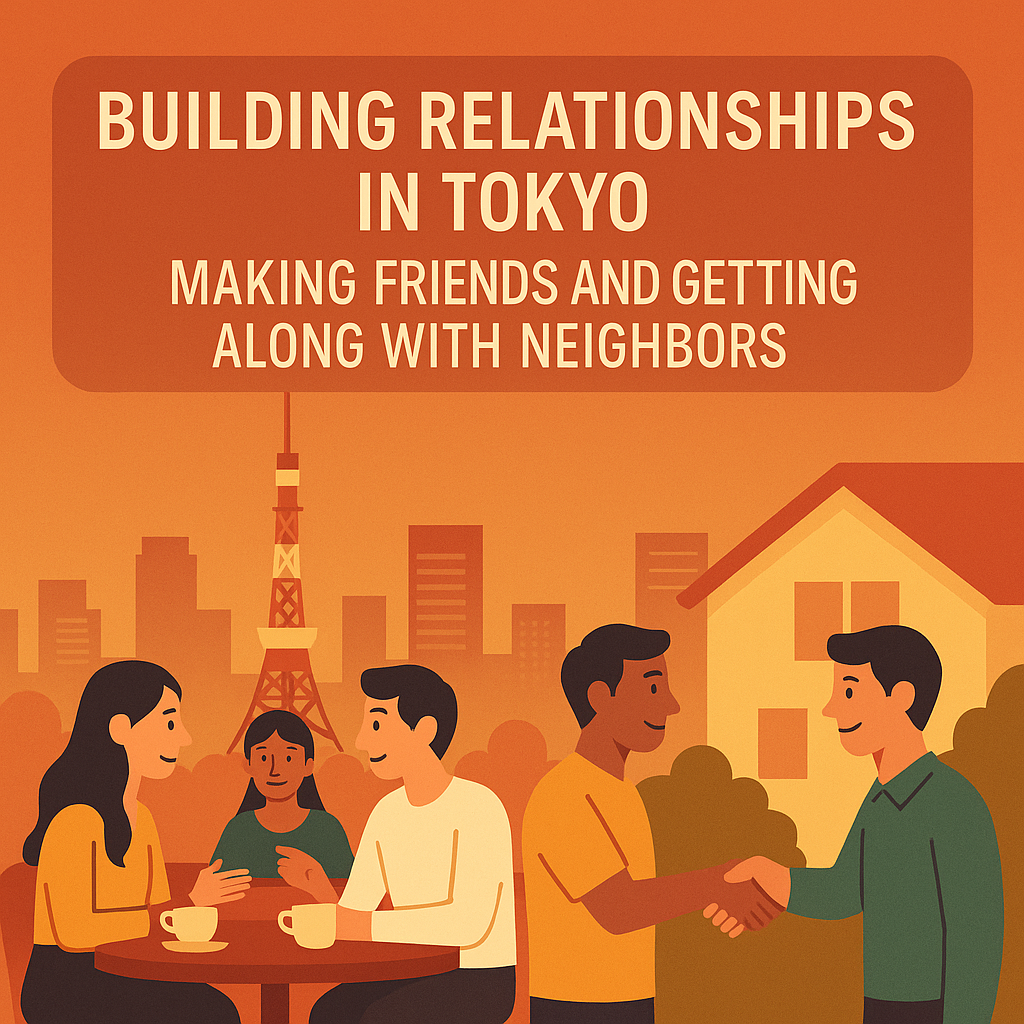
In a study-abroad life in Tokyo, building human relationships is just as important as academics. Friendships, relationships with neighbors, and workplace relationships all have a major impact on quality of life.
Yet many international students worry that “it’s hard to make Japanese friends” or “I don’t know how to interact with neighbors.” This article offers realistic and practical approaches to relationship-building through concrete situations and methods.
The key to making friends with Japanese students is distinguishing between “deep friendship” and “everyday acquaintances.” Many international students expect deep friendships from the outset, but it’s more realistic to start with easy, casual connections.
The most natural place to make friends is through shared activities and interests. Sitting next to someone in class, joining a club, working a part-time job, or participating in hobby communities—doing something together provides the foundation for friendship.
Start with involvement that doesn’t place a heavy burden on the other person. Light invitations like “Do you want to study together sometime?” or “Do you have a cafeteria you recommend?” are effective ways to deepen the relationship.
Japanese students often respond modestly at first, and some international students misinterpret this as rejection. In many cases, it’s simply caution; with time and trust, closeness develops naturally.
Also, many Japanese students are interested in interacting with international students, but due to language barriers or cultural considerations, they may not take the initiative. If international students show moderate initiative, good relationships are more likely to form.
Managing relationships with neighbors in Tokyo apartments and condos is one of the first challenges many international students face. Building appropriate relations helps maintain a comfortable living environment.
Traditionally, greeting neighbors when you move in was common, but in modern Tokyo it’s not always necessary. In particular, one-room apartments and student-oriented buildings tend to have little interaction among residents.
If you do greet neighbors, a brief self-introduction to those next door and above/below you is enough. A simple “I’ve just moved in next door. Nice to meet you,” along with a small box of sweets is a typical approach.
The most common neighborhood trouble is noise. Be careful with using the washing machine late at night (after 10:00 p.m.) or early in the morning (before 7:00 a.m.), as well as TV and music volume and conversations when friends visit.
If trouble arises, it’s rare to receive a direct complaint; more often you’ll be contacted via the management company or landlord. If you receive such a notice, improve immediately, and if possible, convey your apology through the management company—this is often effective.
Garbage disposal is one of the daily behaviors that most affects neighbor relations. In addition to observing the designated days and times, proper sorting is crucial.
In Shinjuku Ward, burnable trash is collected twice a week, recyclables once a week, and non-burnable trash twice a month. You must put items out at the designated location by 8:00 a.m. on the collection day. Putting trash out the night before is generally prohibited (except where a building has an on-site collection point with special rules). If you’re unsure about sorting, you can check with the ward office’s Japanese- and English-support counters.
Workplace relationships at part-time jobs are not only about income—they’re valuable opportunities to practice Japanese and understand the culture. Good relationships can lead to better working conditions and experiences.
When starting a new job, focus on learning the work first while also establishing basic relationships with colleagues. Rather than asserting yourself too strongly, observe how others work and show you can adapt—this is appreciated.
A humble attitude—such as “Thank you for teaching me,” and “I’m not used to it yet, but I’ll do my best”—is received positively in many workplaces.
Break-time conversations are prime opportunities to build relationships. Start with light topics such as your home country, life in Japan, or hobbies, and gradually deepen the connection.
Avoid delving too deeply into someone’s private matters. Topics like family, romantic relationships, or income are best left alone until the other person brings them up.
In today’s Japan, LINE, Instagram, and X (formerly Twitter) are important tools for maintaining friendships. Using them effectively helps you build richer relationships.
LINE is the most common messaging app in Japan. With new Japanese friends, exchanging LINE IDs is often the first step, and it becomes the usual way to keep in touch.
LINE messages are relatively casual, but appropriate politeness and consideration are still important. Avoid messaging late at night or early in the morning, and send messages at times when it’s easy for the other person to reply.
Interaction on Instagram and X can deepen relationships by sharing everyday life and hobbies. Perspectives unique to international students—discoveries about Japanese culture or comparisons with your home country—are often interesting to many Japanese people.
However, avoid highly political topics or overly personal content; aim for constructive, friendly interaction.
Relationships don’t maintain themselves after they’re formed. Ongoing effort and the right sense of distance are necessary.
Planning activities with friends about once a month—meals or movies—helps keep relationships alive. They don’t need to be expensive; lunch at the campus cafeteria or a study session at a neighborhood café can be just as effective.
Cooking food from your home country to share with friends, or inviting them to cultural festivals and events, deepens mutual understanding. Many Japanese people appreciate this kind of contribution unique to international students.
It’s important to have multiple people you can consult when relationship problems arise. University international-student support offices, trusted friends, and senior colleagues at work—having go-to people for different situations enables early problem-solving.
Building relationships in Tokyo takes time, but with the right approach and steady effort, you can develop fulfilling connections. Don’t aim for perfection—start with small interactions and gradually deepen relationships. That steady approach is the key to success.