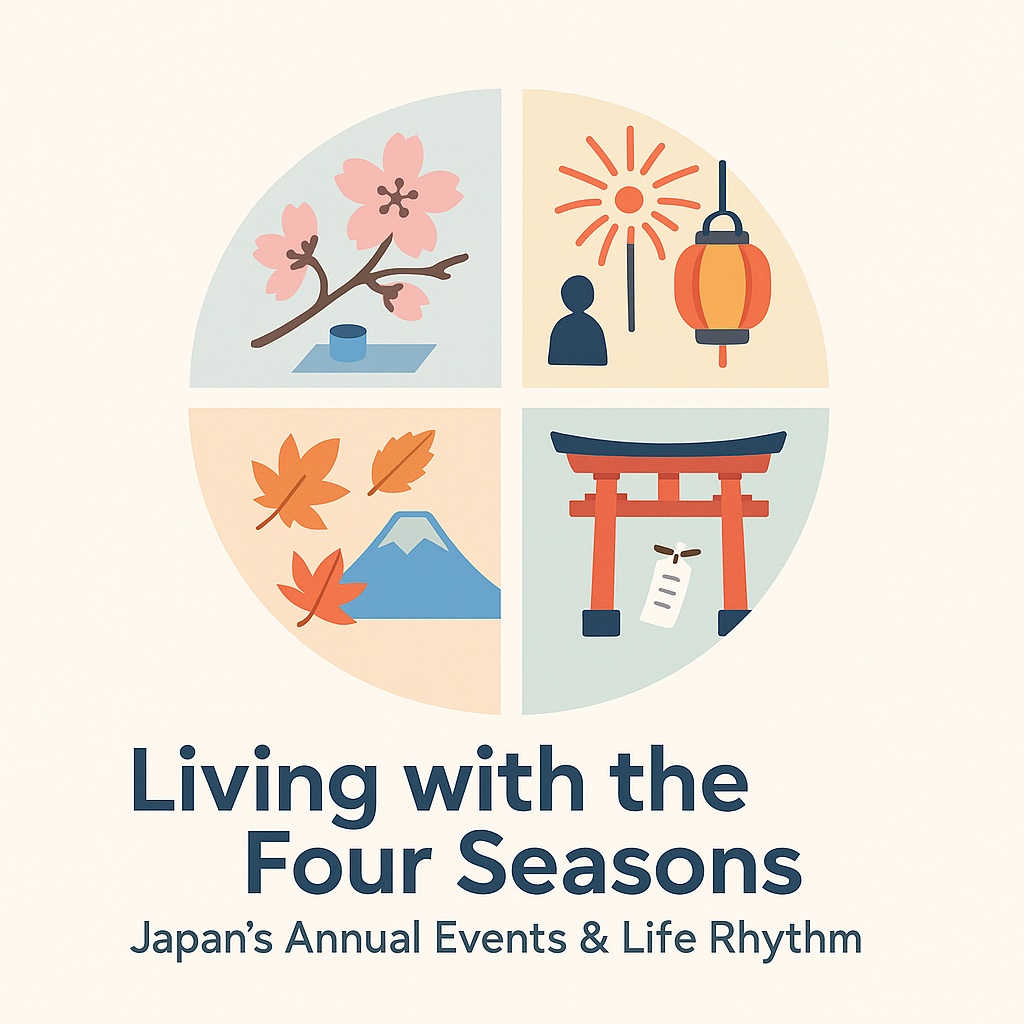
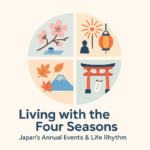
In Japan, the four seasons shape daily habits and social life in ways that may feel very different from your home country. Vietnam typically has wet and dry seasons; Myanmar has hot, rainy, and cool seasons. Japan’s clearly defined spring, summer, autumn, and winter create a distinct life rhythm. Understanding this difference—and using seasonal events as opportunities for connection and adaptation—will make your study-abroad experience richer.
Supplement: Differences by country and region
Some regions in Vietnam have newer festivals featuring “sakura,” but Japan’s hanami is established as a time to quietly enjoy the season’s nature while gathering to eat and drink. Myanmar’s New Year festival, Thingyan, centers on splashing water to cleanse away misfortune and has a different character. Because personal experiences vary widely, it’s safer not to project your home-country “common sense” directly onto Japan.
Practical Seasonal Adaptations
First Steps for Hay Fever (Kafunshō)
- In the Tokyo area, cedar pollen typically appears in early spring (roughly late February to late March), and cypress peaks in March–April. Timing varies by year and region.
- Signs: repeated sneezing, runny nose, itchy eyes.
- What to do: check up-to-date pollen forecasts, talk to a pharmacist about over-the-counter allergy medication, and use masks. Dry laundry indoors on heavy pollen days.
Mold Control During the Rainy Season (June–July)
- In Kanto, the rainy season usually runs from early June to mid-July. High humidity makes indoor mold and dust mites more likely.
- What to do: combine ventilation with a dehumidifier (or disposable dehumidifying packs). Use bathroom dryers or fans so clothes and bedding don’t retain moisture.
Typhoon Season Risk Framing (Mainly August–October)
- Impacts are most common from August to October. Rail companies may announce planned service suspensions the day before. Check the official apps and service notices.
- Power-outage scale: for reference, about 930,000 households lost power in a recent major typhoon year; at the regional scale this equated to a few percent of customers. In Tokyo’s 23 wards, long outages are uncommon, but brief outages can occur.
- Preparation at a light “peace-of-mind” level is sufficient: charge a mobile battery and keep a small amount of drinking water on hand.
Using Seasonal Events as Connection Opportunities
Hanami (Spring) — Easiest time to make initial connections
- Why it matters: easy first contact with classmates and coworkers.
- Approximate cost: ¥2,000–¥4,000 per person (food and drinks).
- What to bring: light snacks from your country, a picnic sheet.
- Major spots: Ueno Park; Shinjuku Gyoen (admission charged; student discounts available—check the latest); Chidorigafuchi.
Summer Festivals & Fireworks (Summer) — Food stalls plus fireworks, the “Japanese set”
- Experience: food stalls, bon odori dancing, and fireworks all in one.
- Yukata rental: ¥3,000–¥5,000 is a typical range (often includes dressing).
- Example: Sumida River Fireworks (large-scale; free viewing areas exist, but details change each year—check official info).
- Food-stall budget: many people enjoy the event with around ¥1,000–¥2,000.
Autumn Foliage Outings (Autumn) — Small groups, unhurried conversations
- Good day-trip options: Mt. Takao (about one hour from central Tokyo), Kamakura.
- Practical tip: crowds and transport conditions vary by date; check official updates shortly before departure.
Hatsumōde, First Shrine/Temple Visit (Winter)
- Classics: Meiji Jingu, Sensō-ji.
- What to try: omikuji fortunes, ema wooden plaques for wishes.
- Tip: January 1–3 is peak congestion. A different day in January, or early morning, is calmer.
The University Calendar, Expanded
Japanese universities generally run on an April–March academic year, but September intake for international students is increasingly common. Below is a pattern many universities share; details differ by school and program.
Typical Flow for September Intake
- Late August–early September: enrollment procedures, international-student orientation, placement tests (e.g., language), health-check notices
- September: autumn semester begins; course registration (lottery or first-come systems vary); add/drop period
- October–November: campus festivals; schedules may shift; canceled or make-up classes appear
- Late December–early January: winter break (length varies by school)
- January–February: final exams and major report deadlines; some make-up sessions or retests afterward
- February–March: spring break; some schools run intensive short courses, language intensives, or internships
Notes
- Early action matters for registration. For lottery courses, gather information in advance.
- Even for September entrants, many all-campus activities ramp up from April (club recruitment, career events). Check bulletin boards and the student portal regularly in spring.
Typical Flow for April Intake
- Late March–early April: enrollment procedures, orientation, health checks; active club recruitment
- April: spring semester begins; course registration and add/drop
- Early May: Golden Week holidays; class schedules can be irregular. Government offices and banks often close, so finish key procedures beforehand.
- June–July: end-of-term build-up; more reports, presentations, and quizzes
- July–August: spring-term finals; make-up classes or intensives may be scheduled
- August–September: summer break; language intensives, short-term programs, internships, and prep for lab placement often happen here
Notes
- April compresses many procedures at once: housing paperwork, student ID and insurance, bank account, mobile phone.
- Spring clubs and events offer the richest information for newcomers; check the portal and on-campus boards regularly.
Timeline Elements to Track in Any Intake
- Syllabus release dates and registration deadlines (lottery vs. first-come, GPA requirements)
- Exact add/drop deadline and whether online requests are accepted
- How campus festivals and designated “no-class” or make-up days affect your week
- Intensive or short courses scheduled in vacation periods
- Library and study-room hours around exam time, including extended hours
- Office hours and closures around national holiday periods (Golden Week, year-end and New Year)
- Seasons for career, internship, and job-hunting briefings (varies by field and year)
Summary and Seasonal Adaptation Action Plan
Spring
- Check pollen forecasts; if symptoms appear, consult a pharmacist about OTC allergy meds.
- Use masks, and treat indoor drying as your baseline on heavy-pollen days.
Rainy Season
- Combine ventilation with a dehumidifier or dehumidifying packs.
- Dry clothes quickly using bathroom dryers or fans.
Summer
- Confirm festival and fireworks details in advance.
- Yukata rental is typically ¥3,000–¥5,000; food stalls can be enjoyed with around ¥1,000–¥2,000.
Typhoon Season
- Watch for day-before notices; check official rail apps for service updates.
- Keep a charged mobile battery and some drinking water.
Autumn
- Plan a day trip to places like Mt. Takao or Kamakura, and check transport and crowding shortly before you go.
Winter
- Choose less-crowded times for hatsumōde visits.
- Some shops shorten hours—confirm business hours in advance.